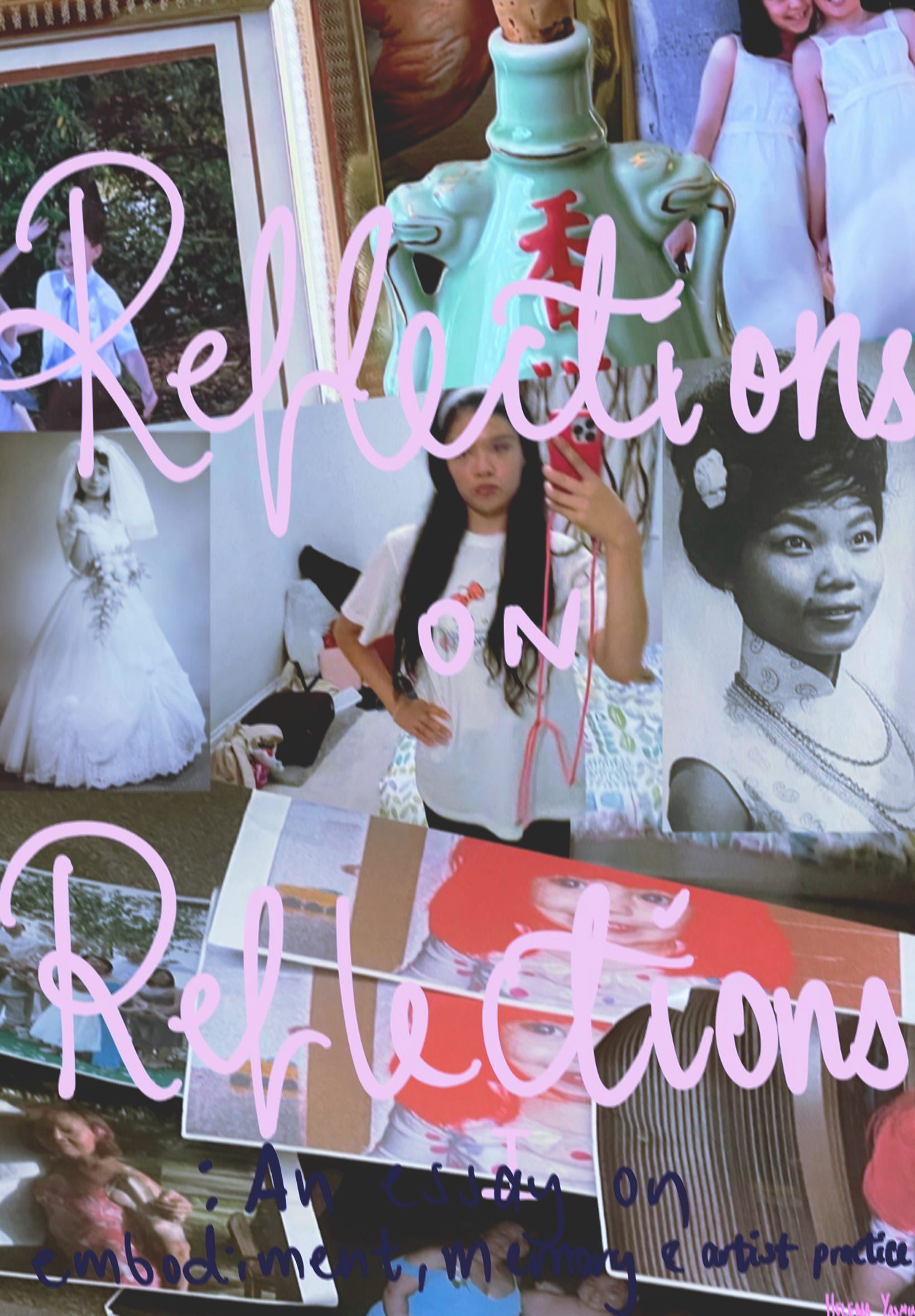
Reflections on Reflections I.: When Looking Becomes Crossing
An essay on embodiment, memory, and artistic practice.

Reflection used to feel like something I had to do.
I treated it like logging.
Diary entries.
Goal setting.
Planning without moving.
As if documenting the future version of myself might cause her to arrive.
But when does that version arrive?
When is it acceptable to become the person you have already written about?
Reflection became a waiting room.
I reflected on mock-exam results, friendships, family dynamics.
I analysed everyone around me.
I did not reflect on my own inner self.
I asked what I wanted from this lifetime.
Using imagined futures as escapism.
Clinging to the vision every time I needed to float away.
I so often needed to flee my own body.
Being seen equaled danger during adolescent years.
I pressured myself to overdo or else I’d never have what I wanted.
At the core:
Freedom from the him’s.
I learned to interpret feedback as truth.
I absorbed other people’s words into my identity.
Over time, that kind of reflection fragments you.
You become skilled at observation but distant from embodiment.
Looking without being present feels glassy.
Bubbly.
Voices blur.
Hands feel unfamiliar.
Dissociation can feel safer than awareness because it is familiar.
Growing up in a house shaped by shouting and volatility, I learned how to be silent.
Silence in the room.
Silence in the body.
Reflection at a distance reinforced that pattern.
A mirror without depth.
Then something shifted.
Near reflective surfaces, my body feels comfort.
Mirrors do not feel like surveillance.
They feel like return.
There is a moment before interpretation arrives.
A small recognition.
Oh.
There you are.
This is what you look like.
This is who we are.
Water feels different from mirrors.
Mirrors are immediate.
Water carries time.
It holds memory in motion.
It connects the present body to something older.
In the Philippines, I began to understand this differently.
Kapwa.
The shared self.
The self not as isolated identity but as relational being.
Reflection, through that lens, is not self-analysis.
It is self-in-relation.
Looking becomes crossing when you step inside the image instead of observing it from afar.
Crossing means staying with sensation.
Staying long enough for the nervous system to realise it is safe.
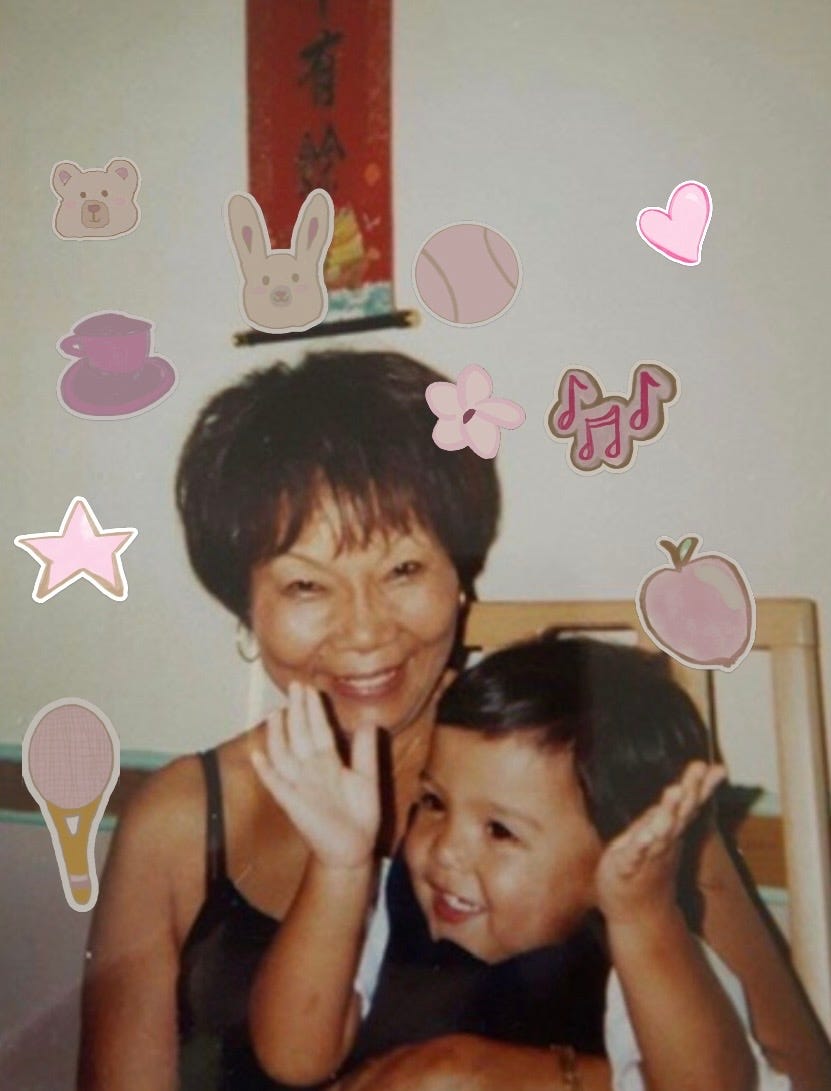
Staying long enough for the body to register joy without immediately turning it into nostalgia.
I began noticing something.
In moments of happiness, I would leave early.
I would think:
This will be a memory soon.
I would begin grieving while still laughing.
Crossing means refusing to leave.
Remaining inside the present moment instead of turning it into future documentation.
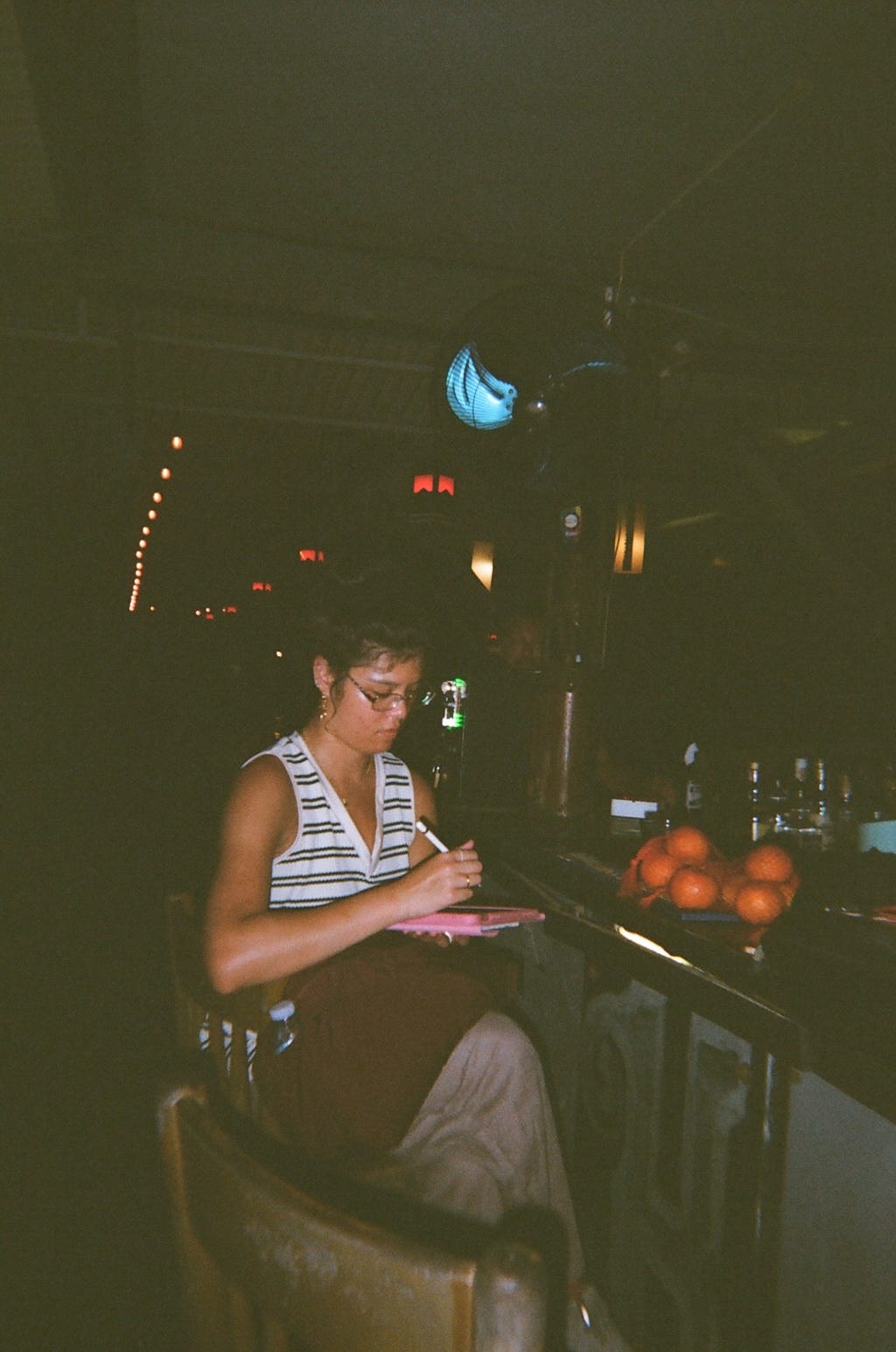
Documentation used to feel dangerous.
When I was fourteen, my diary was read without permission.
Journaling later became recalibration.
Recording myself meant exposure.
Filming later became reclamation.
I decide what is shared.
I decide what remains private.
Reflection is no longer confession.
It is orientation.
Disability reshaped this understanding.
Wanting to do more does not mean the body can.
Rest is not failure.
Naps are not weakness.
Capacity fluctuates.
Reflection in the body requires pacing.
It requires noticing the early signals of overwhelm instead of pushing past them.
For years, my body reacted to ordinary stress as if it were threat.
Emails felt like danger.
Deadlines felt like pursuit.
Crossing means staying present through intensity without collapsing into old survival responses.
It is slow.
Repetitive.
Gentle.
Over time, older identities loosen.
The self becomes less reactive and more rooted.
Reflection is no longer about extracting meaning from the past.
It is about staying close to the present.
Distance is often mistaken for clarity.
But memory is reconstructive.
The further you stand from experience, the more the mind invents.
Closeness preserves texture.
This is why my practice across mediums does not feel fragmented.
Music holds frequency that language cannot.
Dance stores memory in muscle.
Visual work archives sensation through material.
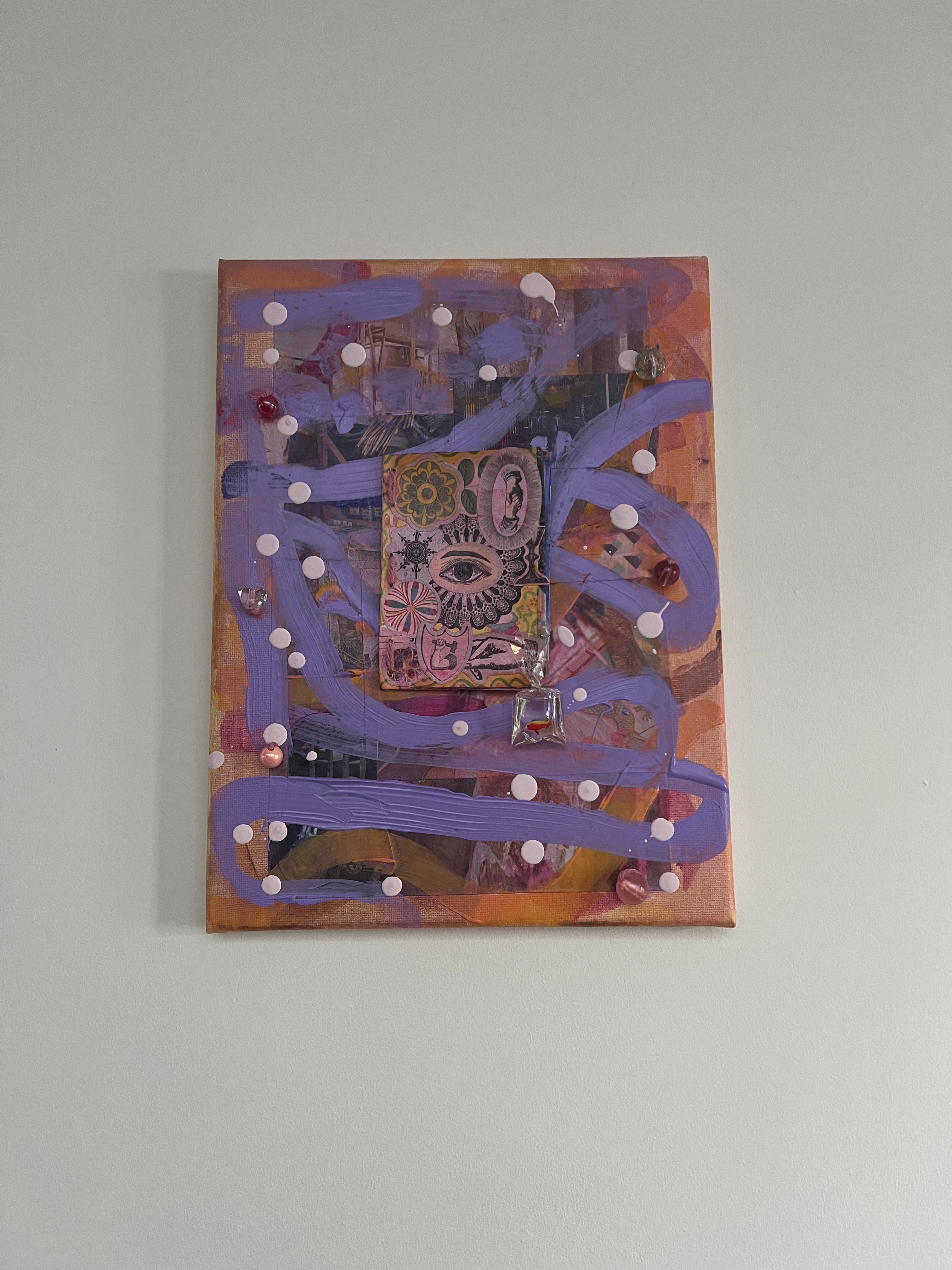
Zines sewn into canvas.
Beads embedded in paint.
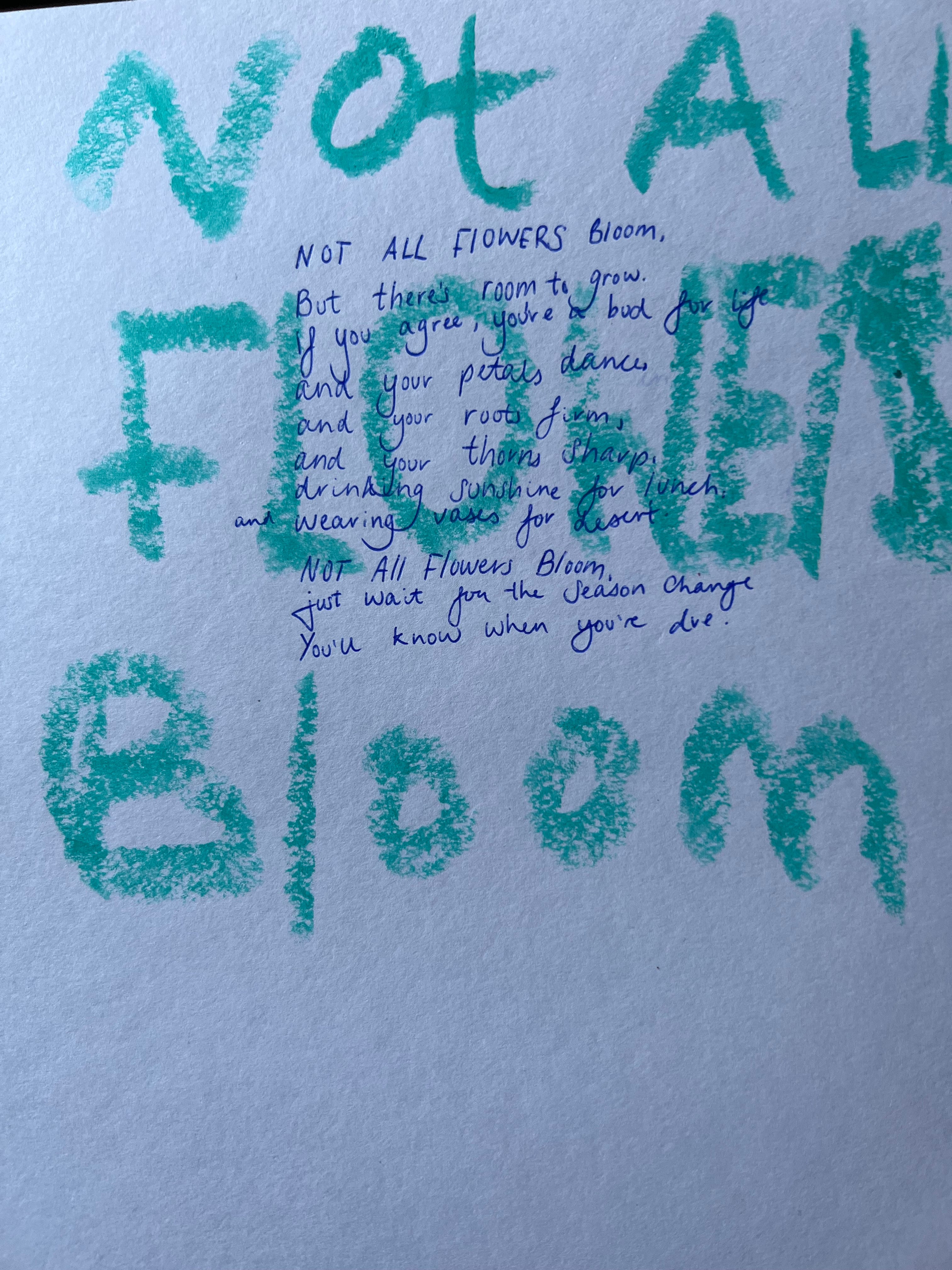
Handwritten fragments sealed between collage.
These are not decorations.
They are crossings.
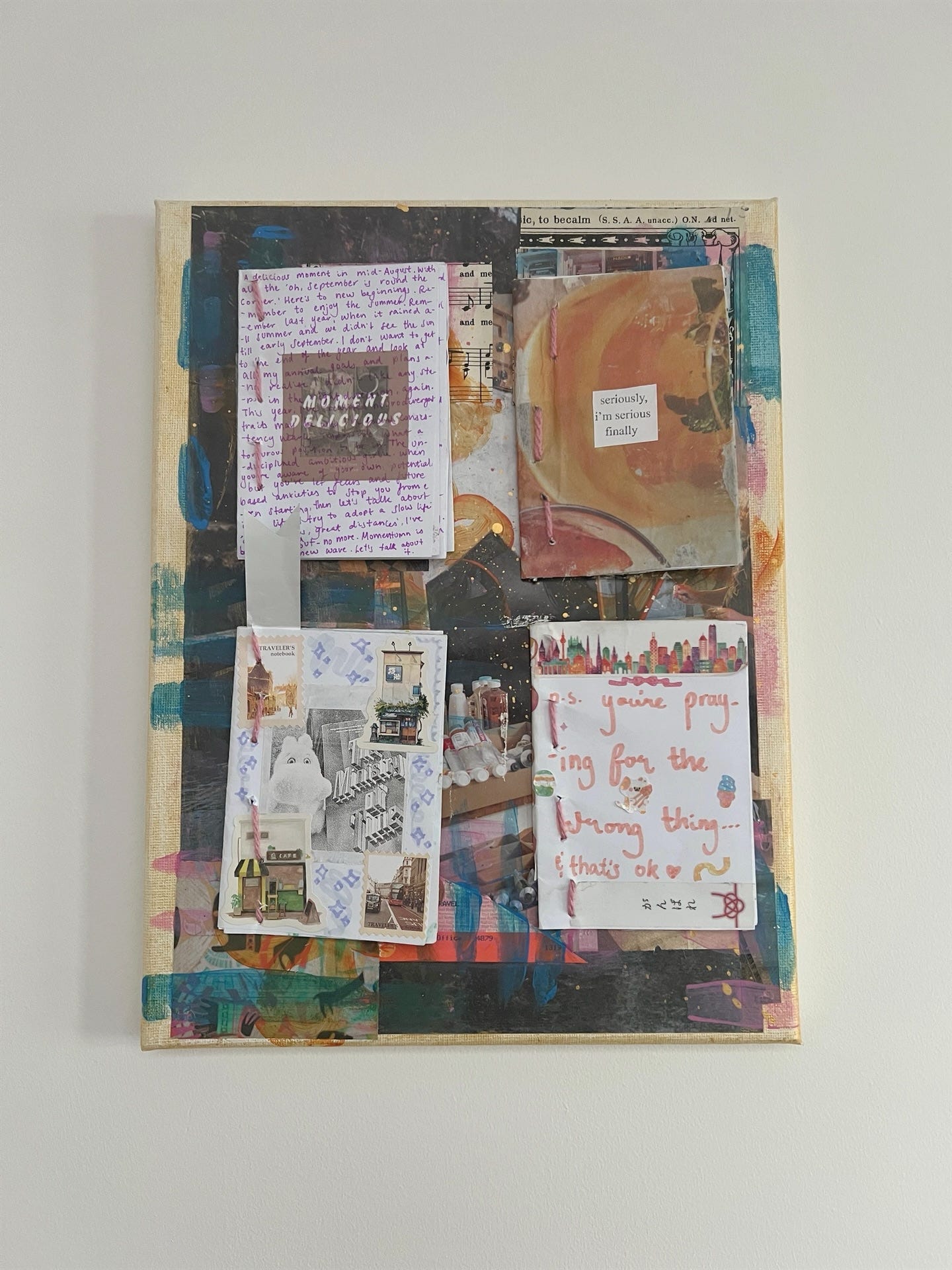
They move lived experience into form without flattening it.
When reflection becomes crossing, art stops being commentary and becomes participation.
It stops explaining and starts embodying.
The shift is simple.
Observation keeps you outside the glass.
Crossing means stepping through it.
There is nowhere to be other than where you are.
Reflection, then, is not retrospective.
It is a method of staying alive inside your own life.
Thank you for reading, speak soon <3
- Helena.